Dr Amit Kayal | 30 Jul 2026
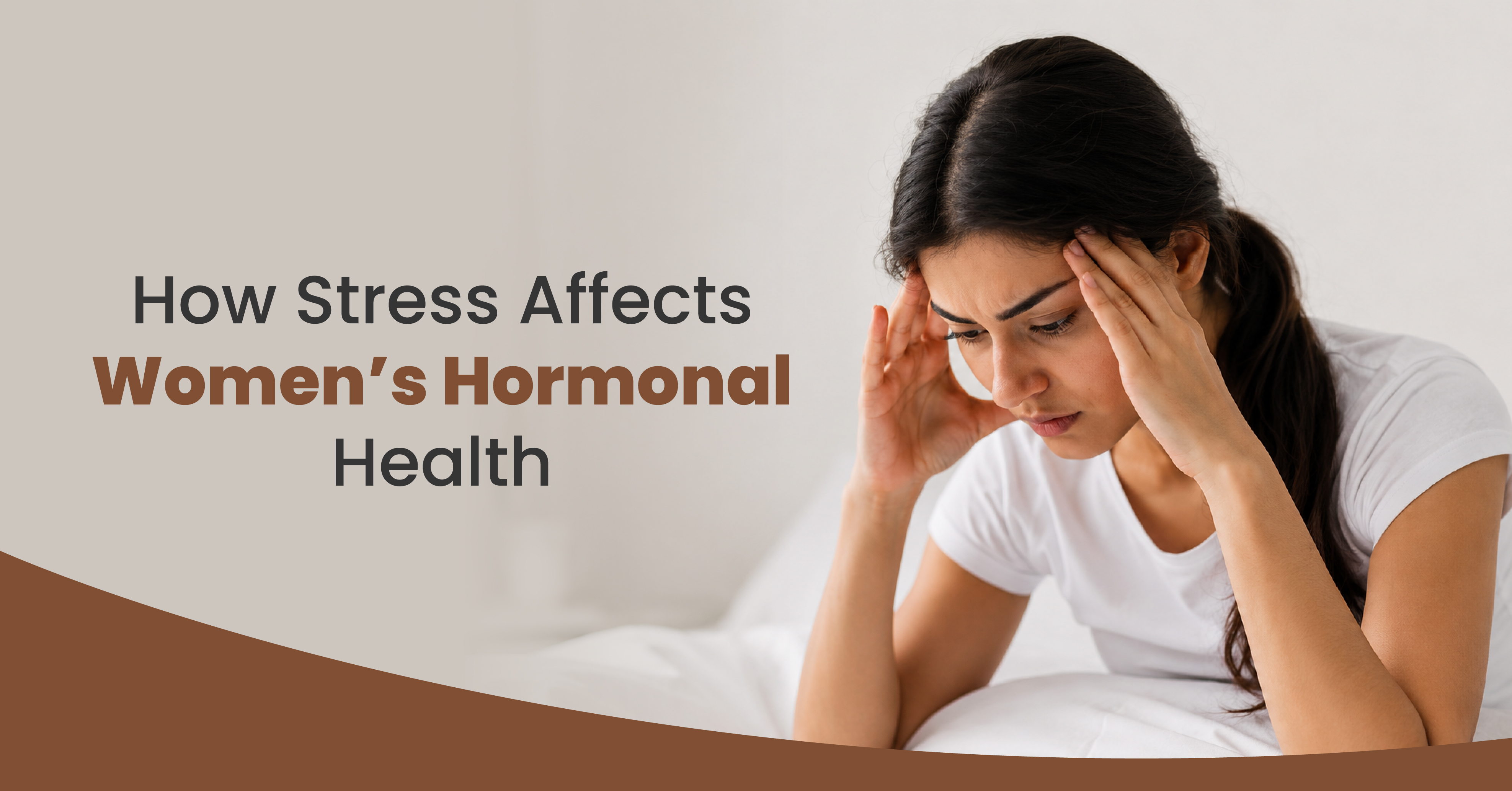
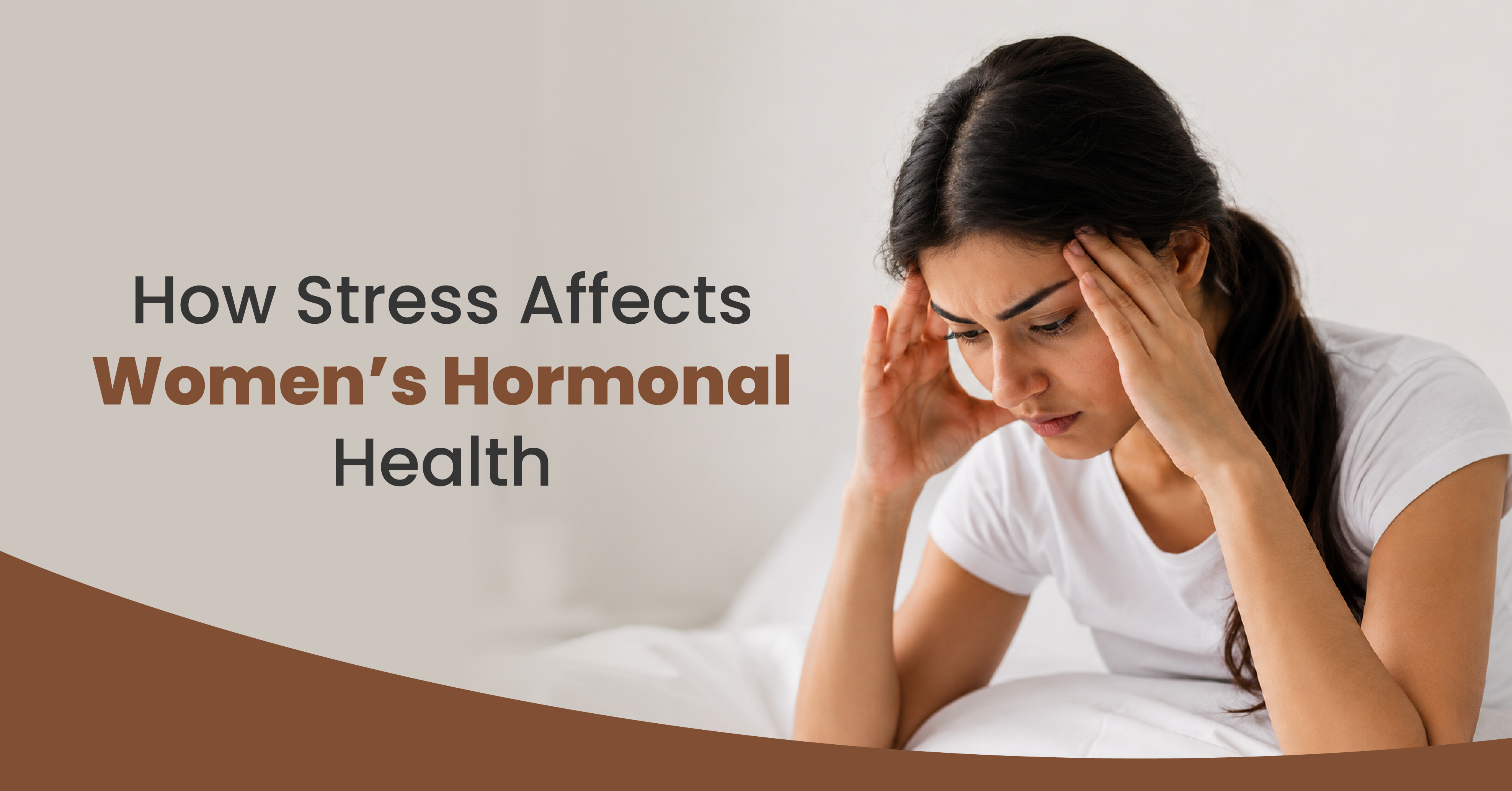
How Stress Affects Womens Hormonal Health
Modern life can be demanding. Between work responsibilities, family commitments, financial pressures, and personal expectations, stress has become a common part of everyday life for many women. While occasional stress is normal, long-term stress can significantly affect physical and emotional wellbeing.
One of the areas most affected by chronic stress is hormonal health. Hormones play a vital role in regulating menstrual cycles, fertility, mood, metabolism, and sleep. When stress levels remain high for extended periods, the body's hormonal balance can be disrupted, leading to various health concerns.
Understanding the connection between stress and hormonal health can help women take proactive steps towards better wellbeing and long-term health.
Chronic stress can affect hormone levels, menstrual cycles, fertility, sleep, and emotional wellbeing. Recognising the symptoms early and managing stress effectively can help support hormonal balance and overall health.
Understanding the Stress Response
When the body experiences stress, it releases hormones such as cortisol and adrenaline. These hormones prepare the body to respond to challenging situations by increasing heart rate, blood pressure, and energy levels.
While this response is helpful during short-term situations, prolonged stress causes cortisol levels to remain elevated. Over time, this can interfere with the normal functioning of reproductive and metabolic hormones.
Women experiencing symptoms of hormonal imbalance should seek timely medical evaluation to better understand their reproductive health and receive appropriate guidance.
Stress and Irregular Periods
One of the most common effects of stress on women's health is changes in menstrual cycles.
High stress levels can affect the communication between the brain and ovaries, which may lead to:
- Delayed periods
- Missed periods
- Heavier bleeding
- Lighter menstrual flow
- Increased menstrual pain
Many women notice changes in their cycle during emotionally demanding periods of life. If menstrual irregularities persist, it may be important to seek professional medical advice.
How Stress Affects Fertility
Stress does not directly cause infertility, but it can affect reproductive health in several ways.
Chronic stress may:
- Disrupt ovulation
- Reduce libido
- Affect hormone production
- Impact overall reproductive health
Women trying to conceive often experience additional emotional pressure, creating a cycle that may further affect fertility.
For couples planning pregnancy, early fertility evaluation can help identify underlying concerns and support appropriate treatment when needed.
Stress and Hormonal Imbalance
When cortisol levels remain elevated, they can influence several important hormones in the body.
Oestrogen
Changes in oestrogen levels may contribute to:
- Mood swings
- Fatigue
- Irregular periods
- Weight changes
Progesterone
Stress can reduce progesterone production, potentially leading to:
- Sleep disturbances
- Increased anxiety
- Premenstrual symptoms
Thyroid Hormones
Long-term stress may also affect thyroid function, resulting in:
- Fatigue
- Difficulty concentrating
- Weight gain
- Hair thinning
These symptoms may be associated with hormonal imbalance and should be evaluated by a healthcare professional if they persist.
The Impact of Stress on Sleep
Poor sleep and stress often go hand in hand.
Women experiencing chronic stress may find it difficult to:
- Fall asleep
- Stay asleep
- Feel rested upon waking
Insufficient sleep can further worsen hormonal imbalances and increase cortisol production, creating a cycle that becomes difficult to break.
Improving sleep habits is one of the most effective ways to support hormonal health naturally.
Stress and Weight Gain
Many women notice weight gain during periods of prolonged stress.
Elevated cortisol levels can:
- Increase appetite
- Trigger cravings for sugary foods
- Encourage fat storage around the abdomen
- Slow metabolism
Combined with reduced physical activity and poor sleep, stress-related weight gain can become difficult to manage.
Emotional Effects of Hormonal Changes
Hormonal fluctuations caused by stress may also affect mental wellbeing.
Common emotional symptoms include:
- Irritability
- Anxiety
- Mood swings
- Low motivation
- Difficulty concentrating
Recognising these symptoms early can help women seek appropriate support and treatment when needed.
Practical Ways to Reduce Stress Naturally
Managing stress is essential for maintaining hormonal balance and overall health.
Some effective strategies include:
Regular Exercise
Physical activity helps lower cortisol levels and improves mood naturally.
Healthy Nutrition
A balanced diet rich in fruits, vegetables, lean protein, and healthy fats supports hormone production and overall wellbeing.
Adequate Sleep
Aim for seven to eight hours of quality sleep each night.
Mindfulness and Relaxation
Activities such as meditation, deep breathing, yoga, and spending time in nature can help reduce stress levels.
Professional Support
When symptoms persist, consulting a healthcare professional can help identify hormonal issues and develop a personalised treatment plan.
Women concerned about their reproductive health may benefit from scheduling a gynaecologist consultation for expert guidance.
When Should You See a Doctor?
It is advisable to seek medical advice if you experience:
- Persistent irregular periods
- Difficulty conceiving
- Severe fatigue
- Mood changes affecting daily life
- Unexplained weight gain
- Symptoms of hormonal imbalance
Early evaluation can help identify underlying conditions and prevent future complications.
Final Thoughts
Stress is a natural part of life, but chronic stress can influence hormonal balance and affect various aspects of women's health, including menstrual cycles, fertility, sleep, mood, and metabolism. Recognising the signs early and adopting healthy lifestyle habits can help support overall wellbeing.
If symptoms persist or interfere with daily life, seeking timely medical advice can help identify underlying causes and provide appropriate treatment and support.
Frequently Asked Questions
1. Can stress cause hormonal imbalance in women?
Yes, prolonged stress can affect hormones such as cortisol, oestrogen, progesterone, and thyroid hormones, potentially leading to hormonal imbalances.
2. Can stress affect menstrual cycles?
Chronic stress may contribute to delayed periods, missed periods, heavier bleeding, or changes in menstrual flow.
3. Does stress affect fertility?
Although stress does not directly cause infertility, it may affect ovulation, hormone production, and overall reproductive health.
4. What are the common symptoms of hormonal imbalance caused by stress?
Common symptoms include irregular periods, mood swings, fatigue, sleep disturbances, weight gain, anxiety, and difficulty concentrating.
5. How can women reduce stress naturally?
Regular exercise, a balanced diet, quality sleep, mindfulness practices, and professional medical support can help manage stress and support hormonal health.